
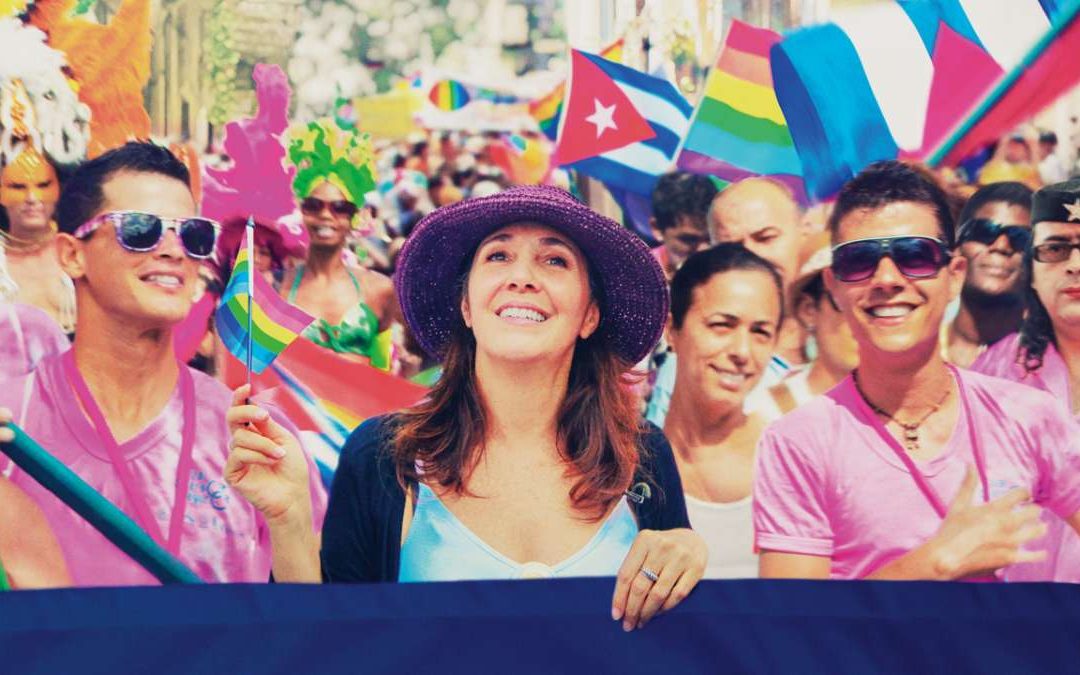
When I officially came out in October 2014, no one had in mind that we would be discussing today the legalization of marriage for all in Cuba. During those times it was difficult to be open about it, but still, I did it. I grew up in a quite conservative family in terms of sexuality. It took me some time to figure out my sexuality and come to terms with it. From that moment on, I have had an epic journey discovering LGBTQ+ progress in Cuba.
During the next year, 2015, I met many brave people of all ages and backgrounds. I became an activist for sexual education and discovered a local group of LGBTQ+ members (including allies and health care workers). They were creating awareness of Sexually Transmitted Diseases (STDs in general and HIV/AIDS in particular) and acceptance. For a whole year I became part of that project, an activist. We hosted cultural events in small towns, with drag shows and awareness talks. It made me confirm that many people were still skeptical about sexual diversity. However, I realized that many others came to see, interested, looking for answers. Such groups of activists and professionals work tirelessly in the whole country with that intent. I made many friends along the way. My friends in the group told me their life stories. Those with more experience shared their struggles when coming out before the 90s in Cuba; back then the word gay was taboo and forms of love different from the heteronormative ideas were frowned upon.
Even after the removal of homosexuality and bisexuality from the International Classification of Diseases of the World Health Organization (WHO) on May 17, 1990, it has been a rough path. Mostly due to the strong male chauvinistic values present in many members of our society. For example, on May 17 we celebrate in Cuba the Farmer’s Day. Many are not really comfortable with this celebration being shared with the International Day against Homophobia, Transphobia, and Biphobia from the 1990s on. Some just joke about it. According to a stereotype, peasants are supposed to be tough and masculine, and gays weak and feminine. Consequently, this coincidence is ironic to them. What is ironic to me is that some do not know that LGBTQ+ people have accomplished so much because we are as tough as they come. Others do not know that this day’s goal is to raise awareness of violence and discrimination against LGBTQ+ people, and not to ‘‘make them one of us’’, as some have manifested.
In 2016 I attended a conference by Mariela Castro Espín at a university of medical sciences and I realized all the efforts the National Center for Sexual Education (CENESEX, for its Spanish acronym), of which she is the director, was doing to educate people in this respect. I found out that since 2007 this center celebrates annually on May 17 the International Day Against Homophobia and Transphobia, usually with a Cuban Conga for Diversity, in order to spread acceptance and love. Their intensive work as a system all over the country includes numerous counselling offices, congresses, an official magazine called Sexología y Sociedad (Sexology and Society in Spanish) and many more projects aimed at educating and creating awareness of STDs and acceptance.
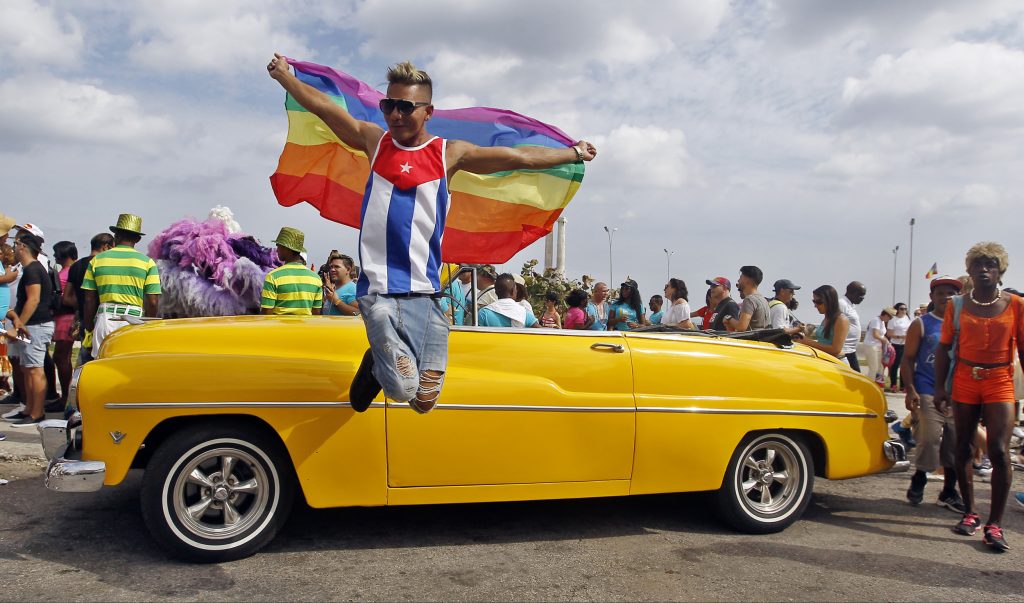
In 2017 and 2018, I discovered that the first gender reaffirmation surgery was conducted in the 1980s, but the procedure was actually retaken in 2007 thanks to the CENESEX and offered free of charge. Those who undergo the surgery are able to change their names and be legally recognized as such.
In 2018, after years of work, the legislative body of the country presented a draft Constitution with progressive views on LGBTQ+ rights. As a result of community debates held nationwide and a subsequent national referendum (early 2019), the Cuban Constitution allows no form of discrimination on the basis of sex, gender, sexual orientation, and gender identity (Art. 42); and it recognizes that marriage is not exclusive to heterosexual couples, reaching LGBTQ+ progress in Cuba. The word used now to refer to the parties involved in marriage is cónyuges (spouses in Spanish), paving the way for the upcoming family code to establish marriage for all.
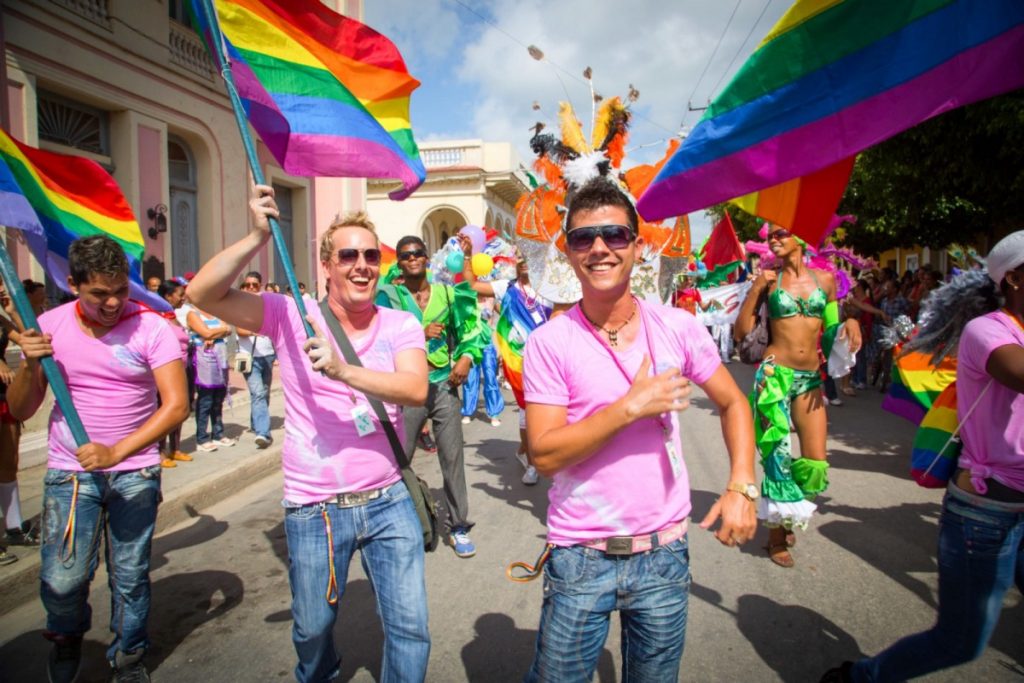
Today, I am a proud member of this inclusive society and I see LGBTQ+ progress in Cuba everywhere I look. There is still considerable work to be done in this area to uproot the intolerance and passive-aggressive attitudes of some. Nonetheless, Cuba is becoming increasingly open to sexual and gender diversity: now we even have an LGBTQ+-friendly hotel! The struggles of LGBTQ+ people clearly matter. We have become one with the community, we are part of this society, and we play a valuable role: we spread love, not only towards LGBTQ+ members, but all human beings.