
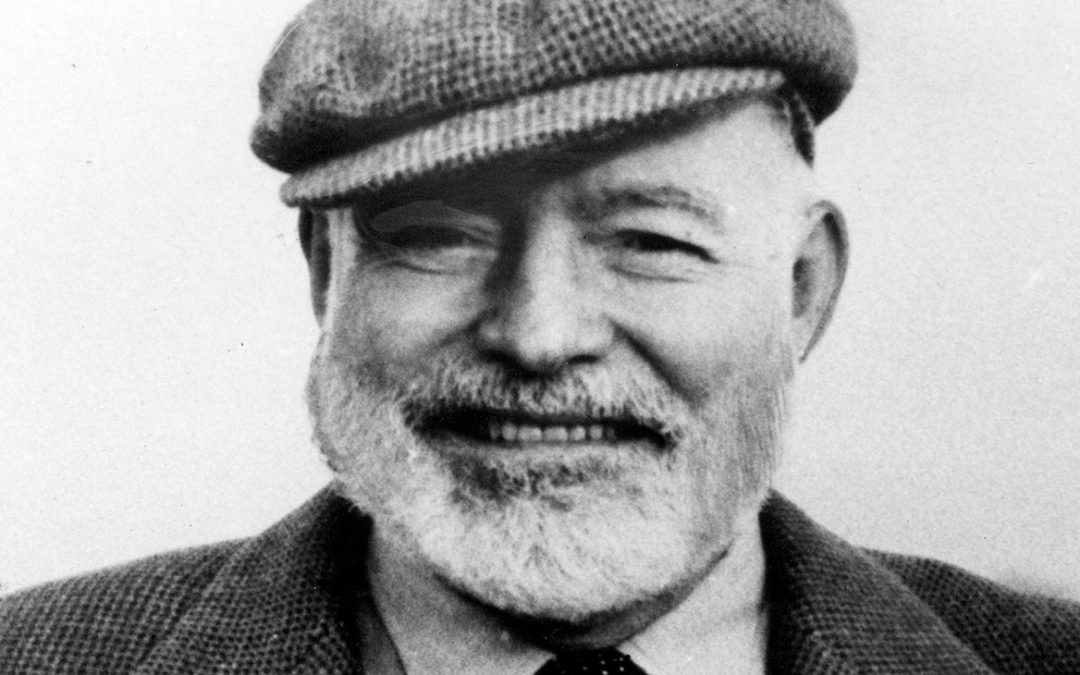
Ernest Hemingway, one of the greatest American novelists and short-story writers, winner of the Nobel Prize in Literature in 1954, lived for a long time on a farm called Finca Vigía. It is located on the outskirts of Havana, Cuba, specifically in the small, working-class neighborhood of San Francisco de Paula, just nine miles (14.5 kilometres) from the center of Havana . Accompanied by his wife, a domestic staff of nine people, fifty-two cats, sixteen dogs, a couple of hundred pigeons, and three cows; he wrote some of his best-known works during the 20 years he spent at this place.

Hemingway and his third wife, Martha, bought this beautiful, colonial house in 1940. Every morning, he used to write on his typewriter, standing up and barefoot over a rug made from the leather of a kudu, hunted during a safari through Africa. There, Hemingway finished writing two of his most renowned novels: For Whom the Bell Tolls and The Old Man and the Sea. Furthermore, works like A Movable Feast, Islands in the Stream, among others were born in Finca Vigía.
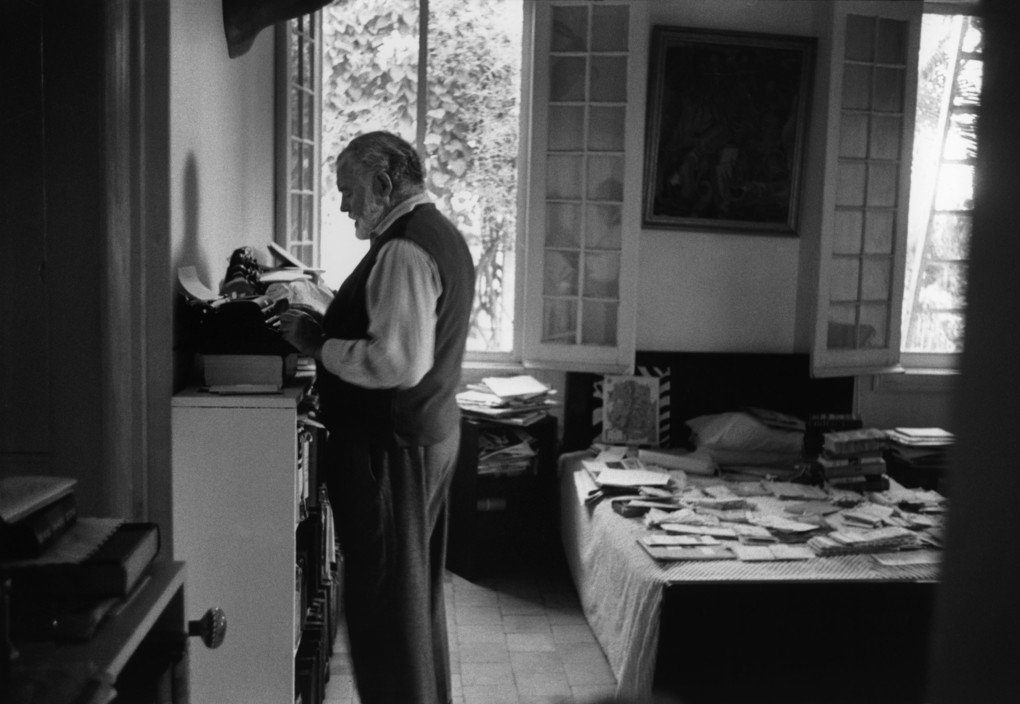
He and his fourth wife, Mary Welsh (who moved in after Ernest and Martha divorced in 1945), abandoned the house in 1960, soon after the Castro revolution. However, the writer donated his house with the rest of his belongings to the Cuban people, to the Island he considered home. Nowadays, the property, which was turned into a fascinating museum after the writer’s death, is owned by the Cuban government.
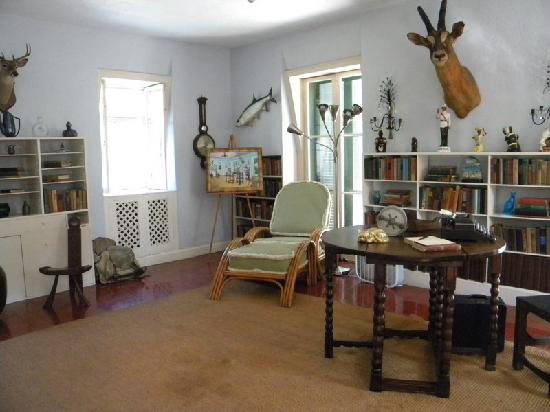
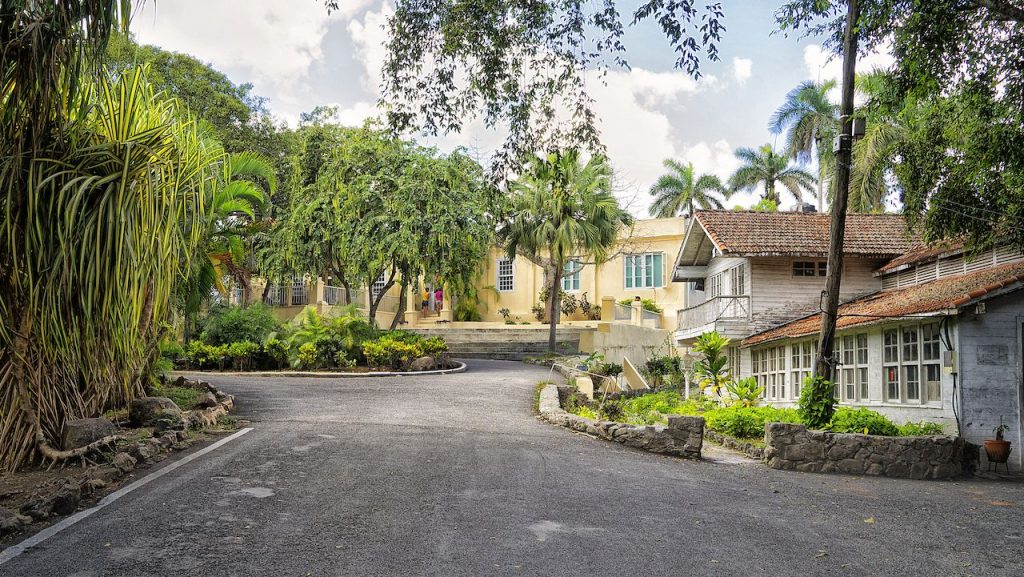
The museum, which bears the name of the legendary novelist, but which everyone continues calling Finca Vigía, opened its doors in July 1962, just about a year after Hemingway’s suicide. Known as La Casona, the house still contains many of the original furnishings and artifacts that belonged to the writer, all of them well preserved as it was when Hemingway left: bottles on a serving tray, thousands of books on the shelves and everywhere, his typewriter, collections of trophy animal heads, his knife collection, and magazines spread out on the bed. Even his beloved fishing boat Pilar is well kept at the house, grounded on what was once his tennis court. In order to protect the valuable objects, visitors are not allowed inside the house, but there are enough open doors and windows to allow a detailed look.
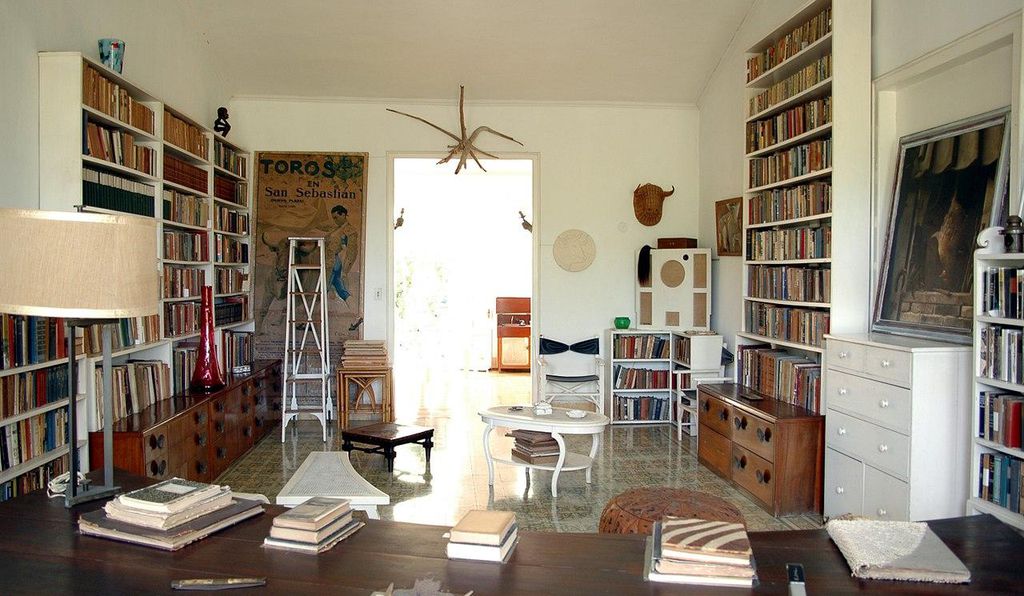
Surrounding the house, palm and fruit trees, among other vegetation can be found, making the visit even more pleasant. Coming down from the house, a path leads to the swimming pool, now empty, in which Hemingway used to swim when he finished writing.
To Hemingway, Finca Vigía was not only the ideal place for relaxing and enjoying the tropical, warm Cuban weather; it was his muse and inspiration to enliven his novels and make them original, famous, and eternal. Every day, hundreds of visitors, Cubans and foreigners, go to Finca Vigía because visiting this place is like traveling back in time to feel the spirit of Ernest Hemingway still alive.